Guide To Selecting Aluminum Profile Manufacturer

In the global aluminium supply chain, Chinese aluminum extrusion manufacturers have become important partners in construction, industry and engineering projects. From aluminum door and window systems and curtain wall profiles to industrial aluminum extrusions and custom structural profiles, an increasing number of project parties choose to purchase aluminum materials from China. But problems also arise: With so many aluminum factories in China, how can you determine which one is truly reliable and can cooperate with your aluminum profile project in the long term?

A wrong choice may lead to delivery delays, inconsistent quality, or even rework of the entire project. A professional and stable Chinese aluminum profile manufacturer can often help you reduce overall risks in material selection, processing plans, and cost control.

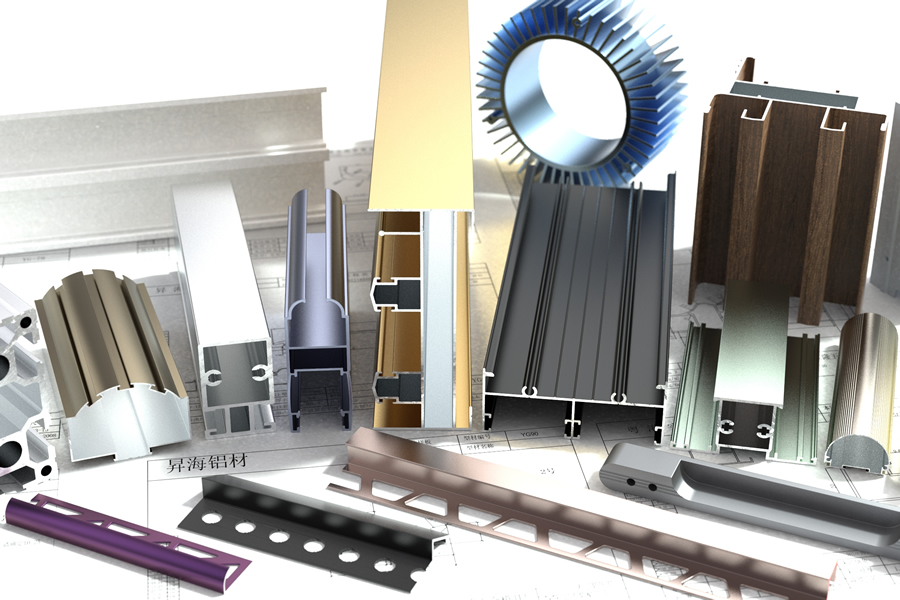
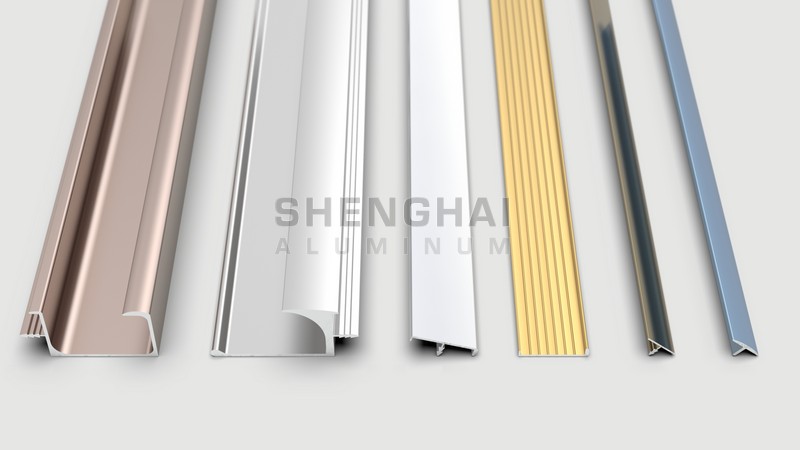
Shenghai Aluminum profile factory

A truly reliable aluminum extrusion manufacturer, with factory production capacity
Many purchasers are easily attracted by words like “large factory scale”, “advanced equipment” and “rich experience” during the initial communication. However, the key to judging whether a China aluminium profile manufacturer is truly reliable does not lie in its publicity, but in whether its production system is complete and whether it has been deeply engaged in aluminium profile for a long time.

A mature aluminium profile manufacturing plant usually has a stable source of aluminium rods and a clear alloy system, rather than frequently changing raw materials. For instance, in the fields of architectural aluminum profiles and industrial aluminum extrusion, whether one has long been dedicated to commonly used alloys such as 6063 and 6061, and whether there is clear experience in the strength and surface requirements of different projects, all these will be directly reflected in the consistency of the finished products. Shenghai Aluminum has always adhered to these practices and received high praise and long-term cooperation from many customers.

More importantly, such factories often do not stop at the “extrusion” process but have developed an integrated capability covering mold development, extrusion molding, precision cutting, deep processing, and surface treatment. Such a production structure determines whether it can truly understand the project requirements rather than simply produce according to the drawings.

Production capacity is not merely about “being able to do”, but rather “being able to do it stably over the long term”.
Many aluminum profile projects progress smoothly in the initial sample-making stage, but once they enter mass production, problems surface: extended delivery times, batch-to-batch color differences, and dimensional fluctuations. This is often not a technical issue but rather a mismatch between the production capacity structure and the project.

Reliable aluminum extrusion manufacturers usually have a relatively balanced production rhythm rather than relying on a single extruder or outsourcing resources. They can rationally schedule production plans based on project volume rather than squeezing all orders during peak seasons, which leads to repeated delays for small-batch customers.
From a project perspective, such factories are more willing to confirm long-term demand with you in the early stage rather than focusing solely on a single order. Especially in projects such as door and window systems, curtain wall engineering, and industrial equipment that require continuous supply, stable production capacity itself is a kind of “invisible value”.

Project experience is the most direct and hardest to disguise proof of one’s strength.
Compared with statements like “We have done many projects”, what is truly convincing is: what specific types of aluminum material projects this aluminum profile manufacturer has participated in.

For instance, in the field of architecture, have you ever provided aluminum door and window profiles or curtain wall structural profiles for commercial complexes, office buildings, or residential projects? These projects typically require extremely high-dimensional accuracy, profile straightness, and surface consistency. Participation in them often indicates that the factory has a mature quality control system.

In the industrial sector, some extruded aluminum manufacturers have long been providing industrial aluminum profiles for automated equipment, conveying systems, and mechanical frames. This type of project requires higher profile strength, tighter tolerance control, and better fit for subsequent processing. Providing a continuous supply is more important than a single delivery.

Another category worth noting is the customized aluminum profiles project. Such as non-standard section design, special structural requirements, or functional profiles. Such projects can well reflect a factory’s capabilities in mold design, technical communication and problem-solving, rather than merely “processing according to drawings”.

In aluminum extrusion projects, the profile structure, wall thickness design, and surface treatment schemes often directly affect the cost and performance. Experienced manufacturers, based on their actual production experience, usually help you optimize the solution while meeting usage requirements, rather than waiting until problems arise to rework.

Choosing a reliable Chinese aluminum profile manufacturer is not simply about finding the supplier with the “lowest price”, but rather seeking a partner who can understand the project, deliver stably and cooperate for a long time.

When an aluminum extrusion manufacturer has a solid factory foundation, sustainable production capacity, real project experience, and maintains professionalism in communication and service, it offers not only aluminum profile but also support throughout your entire project cycle.

For purchasers seeking long-term cooperation and project stability, these China aluminum profile manufacturers are truly trustworthy choices.

Why Are Aluminum Handles for Kitchen Cabinets So Important

In the global kitchen renovation market, cabinet handles may seem like small details, but they play a significant role in the overall aesthetic and functionality of the space. Aluminum handles for kitchen cabinets have emerged as a popular choice due to their unique advantages. More than just components for opening and closing cabinets, they offer outstanding performance in terms of aesthetics, durability, and safety. Below, we’ll explore why aluminum kitchen cabinet handles are a smart choice for your kitchen renovation.

Practical Functions of Aluminum Handles for Kitchen Cabinets: Enhancing Daily User Experience

The kitchen is a high-traffic area in the home, where cabinet doors and drawers are frequently opened and closed. Therefore, the feel of the grip, edge craftsmanship, and safety design of the handles are critical. Aluminum handles for kitchen cabinets are designed to provide a comfortable, non-slip grip with excellent support strength, ensuring stability even with frequent use. Whether you’re preparing meals or storing items, aluminum handles for kitchen cabinets provide a smooth, consistent operating experience. This makes them an indispensable element of any kitchen renovation.

Durability of Aluminum Handles for Kitchen Cabinets: Long-Lasting Performance

One of the key advantages of aluminum is its excellent corrosion resistance. Aluminum handles for kitchen cabinets effectively resist the damage caused by moisture, grease, and cleaning agents, remaining in good condition without rusting or warping. In comparison to traditional iron handles, Aluminum handles for kitchen cabinets are not prone to rust or deformation and also feature anti-fingerprint and stain-resistant properties, helping them maintain their shine and cleanliness over long periods of use.
In the humid, greasy environment of a kitchen, iron handles can rust, compromising both aesthetics and functionality. However, aluminum handles for kitchen cabinets maintain their integrity over time. Their durability not only extends their service life but also reduces maintenance costs, making kitchen renovations more worry-free. The lifespan of aluminum kitchen cabinet handles can exceed 15 years, reducing the frequency of replacements.
Through surface treatments like mill finishes, powder coating, anodizing, electrophoresis, and polishing, aluminum kitchen cabinet handles are coated with a protective layer that ensures a smooth touch and high scratch resistance. Even with long-term use, they remain durable and free from noticeable damage, making them an essential component of modern kitchen designs.

The Design Value of Aluminum Handles for Kitchen Cabinets: Elevating Your Kitchen’s Style


Aluminum handles for kitchen cabinets are not only functional but also serve as an important design element. Available in a variety of styles, colors, and finishes, these handles have gained widespread popularity among homeowners. They come in forms such as concealed and embedded types, allowing for seamless integration into different decor styles, and adding depth to the overall spatial design.
Surface treatment processes enable aluminum handles for kitchen cabinets to adapt easily to different design themes. From the subtle elegance of matte black to the luxurious shine of champagne gold, there are multiple color and finish options available. Customization is also possible, providing homeowners with the flexibility to match their exact design vision. The matte black finish offers a low-key, sophisticated look, while the gold finish adds a touch of luxury. The metallic luster and sleek lines of aluminum naturally blend with various kitchen themes, enhancing the space’s visual appeal.

Safety of Aluminum Handles for Kitchen Cabinets: Protecting Your Home


Safety is a crucial consideration when it comes to kitchen design. Aluminum handles for kitchen cabinets are strong and durable, ensuring they are not easily broken or damaged. Their rounded corners eliminate the risk of sharp edges and corners, making them particularly suitable for families with children. Children are naturally active, and when they’re moving around the kitchen, aluminum handles for kitchen cabinets with smooth, rounded edges reduce the chances of accidental scratches and injuries.

The Advantages of Customizing Aluminum Handles for Kitchen Cabinets: Tailored to Your Unique Style


One of the biggest advantages of aluminum handles for kitchen cabinets is their high level of customization. From drawing designs to aluminum extrusion and surface treatment, we offer a full-process customization service that ensures every detail meets your specifications. Whether you’re looking to create a unique look for a high-end kitchen or simply want something that reflects your personal style, aluminum handles for kitchen cabinets can be designed in a range of colors, shapes, and finishes to match your exact preferences.
Custom designs also give brands a competitive edge in the market by offering distinctive styles that cater to diverse client needs. In custom kitchen projects, special shapes and finishes can be applied to create a cohesive design that perfectly complements the overall kitchen aesthetic.

Aluminum Handles for Kitchen Cabinets—A Smart Investment


It’s no surprise that aluminum kitchen cabinet handles have become a popular choice in kitchen renovations. Their ability to withstand the harsh kitchen environment and maintain their excellent condition over time makes them a reliable option. With a wide range of styles, colors, and customizable options, aluminum handles for kitchen cabinets seamlessly integrate into various kitchen designs.
They combine practicality with aesthetic appeal, making them both cost-effective and long-lasting. If you’re planning a kitchen renovation, aluminum handles for kitchen cabinets should be at the top of your list. Their timeless design, durability, and customization options will make them the perfect finishing touch for your kitchen.
Now that you understand the vital role aluminum kitchen cabinet handles play in enhancing your kitchen’s comfort and visual appeal, it’s time to take action. Don’t settle for low-quality handles that compromise the overall look and feel of your kitchen. Explore our premium collection of aluminum kitchen cabinet handles, featuring diverse styles, surface finishes, and designs to match every taste and kitchen decor need. Visit our website today to find the perfect handles that will transform your kitchen into a haven of style and functionality.

One-stop Aluminum Fabrication Service

Professional aluminum extrusion and processing integrated service – -round solution to your aluminum fabrication service needs

In today’s industrial manufacturing field, aluminum profiles have become an indispensable material for construction, transportation, electronics, machinery and other industries due to their excellent properties such as light weight, high strength, corrosion resistance and easy processing. Shenghai Aluminum, as a professional aluminum profile extrusion and processing integrated service provider, is committed to providing customers with full-process solutions from raw materials to finished products to meet various complex aluminum profile fabrication needs.

aluminum fabrication service

Advantages of integrated service: seamless connection from extrusion to finishing

Different from the traditional decentralized processing mode, we provide integrated aluminum extrusion and processing services, organically combining two key production links to create unique value for customers:

Shorten delivery cycle: Eliminate intermediate transportation and communication links, and increase production efficiency by more than 30%
Reducing overall costs: Integrated production reduces material waste and secondary processing costs
Quality is fully controllable: Quality monitoring from extrusion to processing to ensure product consistency
Continuous technical support: Engineers participate throughout the process and provide professional technical support from design to finished products

Advanced extrusion technology: meet various complex cross-section requirements
We are equipped with 700-3000 ton modern extrusion production lines, which can produce aluminum profiles of various specifications:
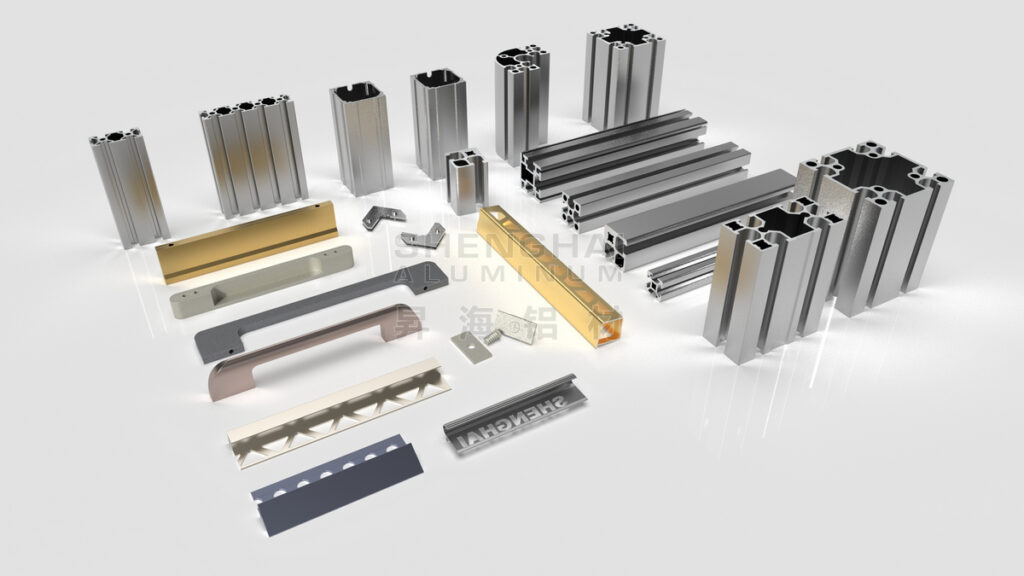
Architectural aluminum profiles: doors and windows, curtain walls, sun rooms, decorative lines
Industrial aluminum profiles: assembly line frames, equipment guardrails, mechanical parts
Special purpose profiles: radiators, rail vehicle materials, electronic housings
Customized special profiles: develop special cross-section profiles according to customer drawings or samples

Use isothermal extrusion technology and online quenching system to ensure uniform profile structure and excellent mechanical properties. The maximum extrusion length can reach 26 meters, meeting the needs of extra-long profiles.

Precision processing capabilities: from simple cutting to complex CNC processing

Relying on advanced processing equipment and rich industry experience, we provide comprehensive aluminum profile fabrication services:
Cutting processing:
High-precision sawing (tolerance ±0.1mm)
Angle cutting (45°, 90° and other arbitrary angles)
Special-shaped cutting (customized according to drawings)
Drilling and tapping:
Ordinary drilling, step holes, countersunk holes
Precision thread processing (M3-M20)
Multi-hole batch processing

CNC processing:
Three-axis/four-axis/five-axis CNC milling
High-precision turning processing
Complex curved surface and three-dimensional structure processing

Surface treatment:
Anodizing (natural color, black and other colors)
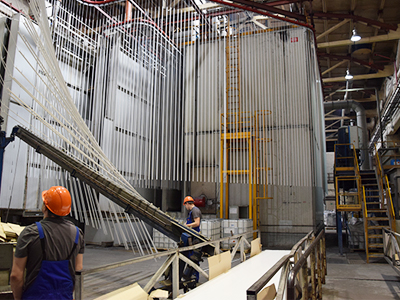
Powder spraying (various Color optional)

Electrophoretic coating, fluorocarbon spraying, etc.

Industry solutions: Provide professional services for different fields
We have a deep understanding of the special needs of various industries for aluminum profiles and provide targeted solutions:

Construction industry
Energy-saving door and window system profiles
Curtain wall support structure
Decorative profiles
Special profiles for sunrooms

Transportation
Aluminum profiles for rail transit vehicles
Lightweight automotive parts
Truck compartment structural parts
Corrosion-resistant profiles for ships

Electronic appliances
Radiator profiles
Equipment housing frame
Precision instrument bracket
Special profiles for conductive bars

Industrial manufacturing
Automation equipment frame
Assembly line conveyor system
Mechanical protection device
Special material for tooling and fixtures

Why choose us?

15 years of industry experience: Served 500+ customers and completed 2000+ projects
Strong technical team: 15 professional engineers provide technical support
Strong customization ability: One-stop solution from drawings to finished products
On-time delivery: 7-15 days for conventional products; urgent orders can be expedited

Whether you need standard aluminum profiles or special customized products, we can provide cost-effective solutions. From concept design to finished product delivery, our team of experts will accompany you throughout the process to ensure the smooth completion of your aluminum processing project.

Contact us now to get exclusive aluminum profile solutions! Our engineers will respond to your inquiries within 24 hours and provide professional advice and quotation services. Let us use our professional aluminum profile extrusion and processing integration capabilities to create greater value for your project!

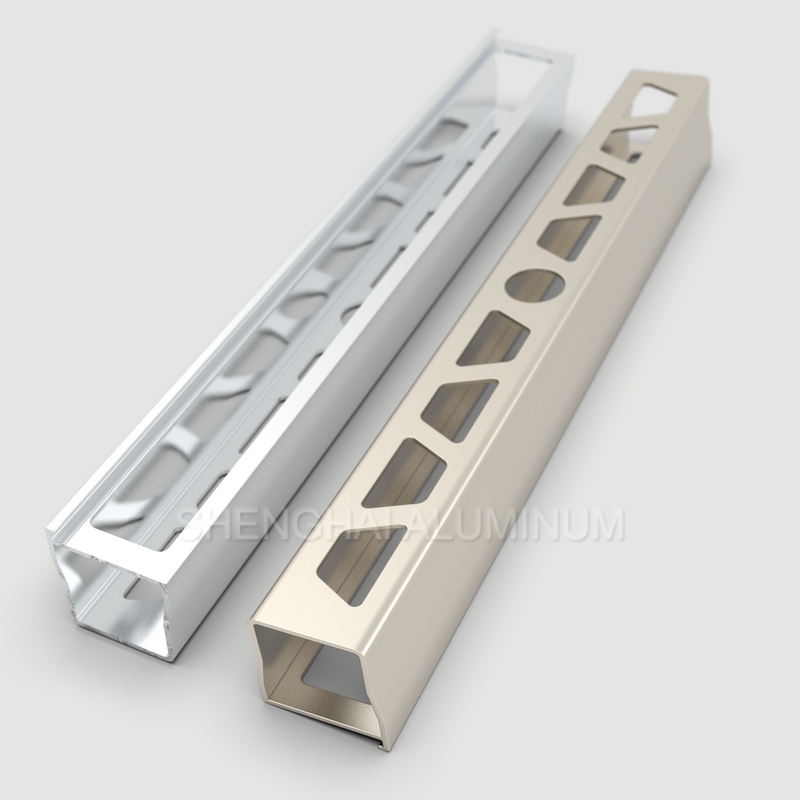
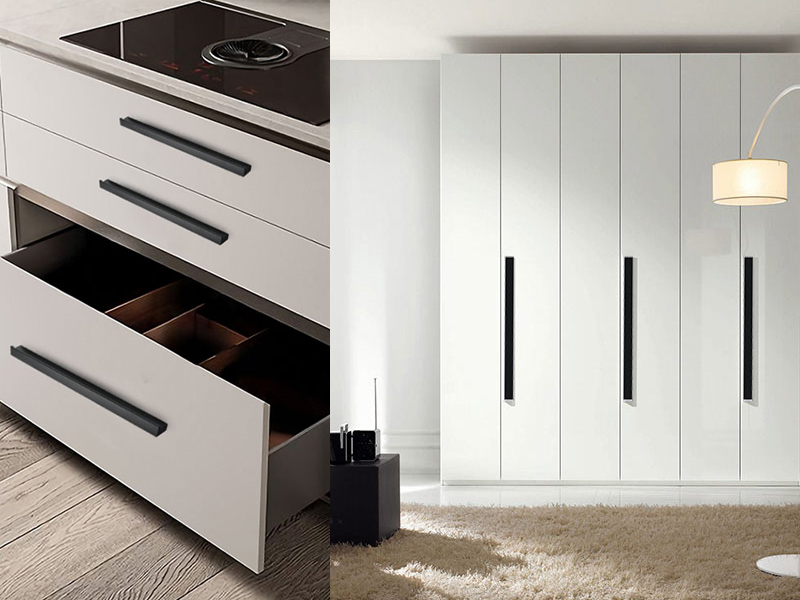
Aluminum Hidden Cabinet Handles

The trend of minimalism has swept the world, and its pursuit of simplicity, nature, elegance and practicality has also deeply influenced modern home design. In minimalist homes, handle-free cabinet doors are becoming the favorite of young consumers with their unique charm.

The handle-free cabinet door abandons the traditional raised handles, the facade is unified and clean, the lines are simple and neat, and the overall visual is flat and generous, perfectly fitting the current simple and modern aesthetic trend. Not only that, the handle-free design also brings higher safety and convenience. Without the raised handle, the risk of bumps is effectively avoided, and dust accumulation is also reduced, making cleaning easier.

As one of the spaces with the largest storage demand in the home, the kitchen is often limited in area and is more likely to bump when using traditional handles. The handle-free design can avoid this kind of damage to the greatest extent and ensure the safety of the kitchen. In addition, the kitchen has heavy fumes, and the handle-free cabinet design can effectively reduce the accumulation of oil stains, making cleaning more convenient and quicker.

In short, aluminum hidden cabinet handle profile is gradually becoming a new favorite in modern home design with its simple, beautiful, safe, practical, easy to clean advantages. I believe that in the future, the handle-free design will be used in more home spaces, bringing people a more comfortable and convenient life experience.

Aluminum Edge Trim Most Popular Decoration

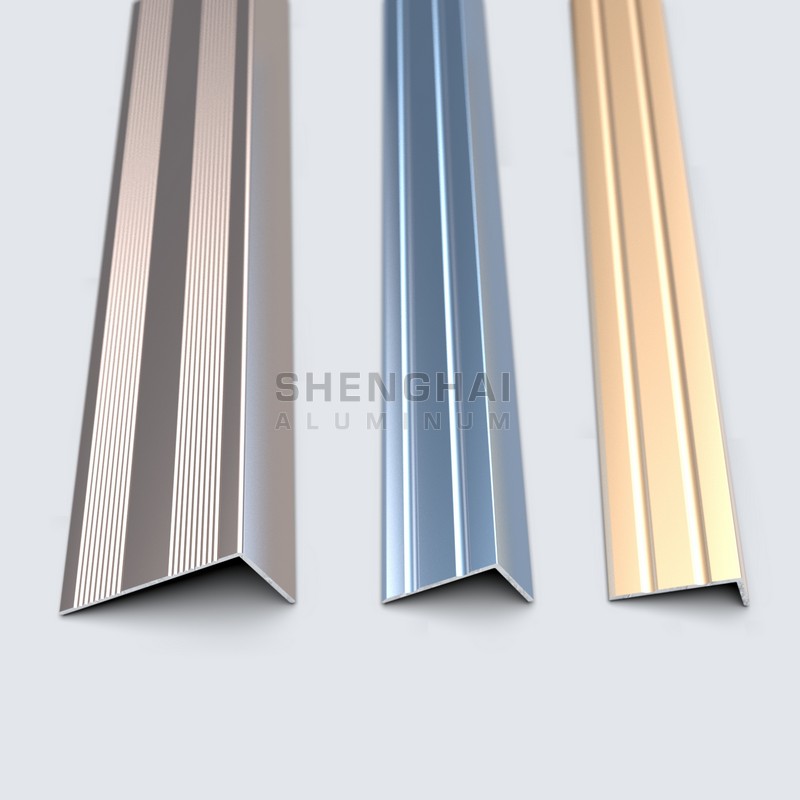
Aluminum edge trim, also known as aluminum bullnose trim, has gained popularity among builders, contractors, and homeowners for a variety of reasons. One of the main reasons why everyone chooses aluminum edge trim is its durability. Aluminum is a highly durable material that can withstand harsh weather conditions, making it ideal for both interior and exterior applications. Whether it’s protecting the edges of countertops, stairs, or tiles, aluminum edge trim provides a long-lasting solution that can withstand heavy use and abuse.

Another reason why aluminum edge trim is the preferred choice is its versatility. This type of trim comes in a wide range of sizes, shapes, and finishes, allowing it to be used in various applications and design styles. From straight edges to curved corners, aluminum edge trim can be easily customized to fit any project requirement. Additionally, it is available in different finishes such as brushed aluminum, polished chrome, or anodized colors, giving users the freedom to choose the one that best complements their design aesthetic.

In addition to durability and versatility, aluminum edge trim also offers excellent protection for edges and corners. It acts as a barrier against impact and prevents chipping or cracking of tiles or other materials. By providing a clean and finished look, aluminum edge trim enhances the overall appearance of any space while ensuring that the edges remain intact and protected.

Furthermore, aluminum edge trim is easy to install, making it a popular choice for both professionals and DIY enthusiasts. It can be easily cut to size and installed using adhesive or screws, depending on the application. This ease of installation not only saves time but also reduces labor costs. Additionally, aluminum edge trim requires minimal maintenance, making it a cost-effective choice in the long run.

Lastly, aluminum edge trim is an environmentally friendly option compared to other materials. Aluminum is a highly recyclable material that can be reused without compromising its quality. Choosing aluminum edge trim contributes to sustainable construction practices and reduces waste.

In conclusion, there are several reasons why everyone chooses aluminum edge trim for their construction or renovation projects. Its durability, versatility, excellent protection, ease of installation, and environmental friendliness make it an ideal choice for both residential and commercial applications. Whether it’s adding a finishing touch to countertops or protecting the edges of tiles, aluminum edge trim offers a high-quality solution that meets the needs of builders, contractors, and homeowners alike.

What Is The Best Material For Tile Trim

Aluminum tile trim is popular due to its durability, corrosion resistance, and lightweight nature. It is available in various finishes, such as brushed, polished, or anodized, to complement your tile design.

The best material for tile trim depends on various factors, including your design preferences, the location of the tiles, and your budget. Here are some common materials used for tile trim:

Metal Trim:
Aluminum: Aluminum tile trim is popular due to its durability, corrosion resistance, and lightweight nature. It is available in various finishes, such as brushed, polished, or anodized, to complement your tile design.


Stainless Steel: Stainless steel trim is known for its corrosion resistance and strength. It’s an excellent choice for high-traffic areas or places exposed to moisture.

PVC Trim:
PVC tile trim is a cost-effective option. It is easy to install and resistant to moisture and corrosion. However, it may not be as durable as metal options.

Schluter Strips:
Schluter strips, like the Schluter Systems, are made of various materials, including metal and plastic. They are designed specifically for edge protection and finishing in tile installations. They offer a sleek, finished look.

Quarry or Bullnose Tiles:
In some cases, using tiles with a finished edge (quarry or bullnose tiles) eliminates the need for separate trim pieces.

Wood Trim:
Wood trim can be used as an alternative in specific settings where a natural or rustic look is desired. It’s commonly used for decorative purposes in non-wet areas.

Glass Trim:
Glass tile trim can add a modern and sophisticated touch to your design. However, it is not as durable as metal or PVC options and is generally used in non-high traffic areas.
The choice of material also depends on the location of the tiles. For example, in wet areas like bathrooms or kitchens, it’s crucial to choose a trim that is moisture-resistant and won’t corrode over time. In high-traffic areas, durability is a key consideration. Your personal style and the overall design of the space should also influence your choice.

Ultimately, the “best” material for tile trim is subjective and dependent on your specific needs and preferences. In general, aluminum trim for tiles are currently highly favored. Their resistance to wear and exceptional appearance make them the preferred choice for a wide range of customers.

8 Different Surface Treatments For Aluminum Profiles

Aluminum extrusions can be finished in various ways to enhance their appearance, durability, and performance. Here are eight different surface finishes commonly used on aluminum extrusions:

Mill Finish: This is the natural finish that aluminum extrusions have after they are manufactured. It’s essentially the raw, untreated surface of the aluminum. It has a matte appearance and may exhibit slight variations in color and texture.

Anodizing: Anodizing is a popular surface treatment for aluminum extrusions. It involves creating a controlled oxide layer on the surface of the aluminum through an electrolytic process. Anodizing provides increased corrosion resistance, improved wear resistance, and the ability to apply various colors.

Powder Coating: Powder coating is a method where a dry powder is electrostatically applied to the aluminum surface, and then the extrusion is heated to fuse the powder into a smooth, durable, and colorful coating. It offers excellent weather resistance and a wide range of color options.

Painting: Aluminum extrusions can also be painted using liquid paint. This provides a high level of customization in terms of color and finish. However, the paint may not be as durable as some other finishes, especially in outdoor environments.

Polishing: Polishing aluminum extrusions can create a reflective, mirror-like surface. Different levels of polishing can be achieved, from a satin finish to a high-gloss mirror finish. Polished surfaces are more decorative and less corrosion-resistant than some other finishes.

Brushing: Brushing involves using abrasive materials to create a textured or brushed appearance on the aluminum surface. It can help hide minor imperfections and scratches, making it a suitable choice for applications where aesthetics are important.

Sandblasting: Sandblasting involves propelling abrasive particles at high speed onto the aluminum surface to create a textured finish. This finish is often used to create a matte, non-reflective surface that can help mask imperfections.

Chemical Etching: Chemical etching involves applying a chemical solution to the aluminum surface to create a controlled level of corrosion. This can be used to achieve specific textures, patterns, or designs on the surface of the extrusion.

Keep in mind that the suitability of a particular surface finish depends on the intended use of the aluminum extrusion. Factors like aesthetics, durability, corrosion resistance, and the environment in which the extrusion will be used should all be considered when selecting a surface finish.

How to choose the right surface treatment for your aluminum profile?

Choosing the right finish for your aluminum extrusion involves considering several factors, including the desired aesthetics, functional requirements, environmental conditions, and budget. Here are some steps to help you make an informed decision:
Define Your Goals:
Determine the primary goals for the finish. Are you looking for improved corrosion resistance, aesthetic appeal, better wear resistance, or a combination of these factors?
Environmental Conditions:
Consider the environment in which the aluminum extrusion will be used. If it will be exposed to harsh weather conditions, high humidity, or corrosive substances, prioritizing corrosion resistance becomes important.
Aesthetic Requirements:
Different finishes offer varying levels of visual appeal. Consider whether the extrusion will be visible and whether you want a natural metallic look, a specific color, or a particular texture.
Functionality:
Determine any functional requirements for the finish. For instance, if the extrusion will be subjected to high wear or abrasion, a more durable finish might be necessary.
Types of Finishes:
There are several common finishes for aluminum extrusions:
Anodizing: This is a popular finish that provides corrosion resistance, improved wear resistance, and can be dyed to achieve various colors. Anodized finishes come in different levels of thickness, providing varying degrees of protection.
Powder Coating: Powder coating offers a wide range of colors and finishes, including matte, glossy, and textured. It provides good corrosion resistance and durability.
Painting: Aluminum extrusions can be painted for aesthetic purposes. However, painting might not offer the same level of protection as other finishes.
Electrostatic Dissipative (ESD) Coatings: If your application requires protection against electrostatic discharge, an ESD coating can be applied.
Chemical Film (Chromate Conversion): Also known as chromating, this process provides corrosion resistance and helps with adhesion if the extrusion will be painted later.
Mechanical Finishes: These include techniques like brushing, polishing, or sandblasting, which can create unique textures and visual effects.
Budget Considerations:
Different finishes come with varying costs. Consider your budget and balance it with the desired level of protection and aesthetics.
Testing and Samples:
It’s often a good idea to test different finishes on a small scale or request samples from finishing suppliers. This allows you to evaluate the appearance, durability, and performance of each finish option.
Consult Experts:
If you’re unsure about which finish to choose, consult with experts in aluminum extrusion finishing or suppliers who can provide guidance based on your specific needs.
Regulations and Standards:
Depending on your industry and application, there might be regulations or industry standards that dictate the type of finish you should use. Make sure to consider any relevant requirements.

Which Aluminum Fabrication Process is Best for Your Project

The choice of the best aluminum fabrication process for your project depends on several factors, including the specific requirements of your project, the type of aluminum alloy being used, the desired end product, budget constraints, and production volume. Here are some common aluminum fabrication processes along with their strengths and suitable applications:

Extrusion:
Process: Aluminum extrusion involves pushing heated aluminum billets through a die to create complex cross-sectional shapes.
Strengths: Excellent for creating uniform, continuous profiles with high precision and consistent dimensions. It is cost-effective for producing long, constant cross-section parts.
Suitable Applications: Frames, rails, tubing, heat sinks, and other linear or curved shapes.
Sheet Metal Forming:
Process: Sheet metal forming involves cutting, bending, and shaping flat aluminum sheets to achieve the desired form.
Strengths: Versatile, widely available, and suitable for both low and high-volume production. It can create a variety of shapes and sizes.
Suitable Applications: Enclosures, panels, automotive parts, brackets, and various customized components.
CNC Machining:
Process: CNC (Computer Numerical Control) machining involves using computer-controlled machines to remove material from aluminum blocks to create precise parts.
Strengths: High precision, excellent surface finish, and suitable for small to medium production runs. It can handle complex geometries.
Suitable Applications: Prototypes, small-batch production of intricate parts, aerospace components, and functional prototypes.
Welding:
Process: Aluminum welding uses various techniques like MIG (Metal Inert Gas), TIG (Tungsten Inert Gas), or laser welding to join aluminum components.
Strengths: Ideal for joining aluminum parts permanently. It offers strong and durable connections.
Suitable Applications: Aerospace, automotive, marine, and other industries where strong and lightweight structures are needed.
Casting:
Process: Aluminum casting involves pouring molten aluminum into molds to create complex shapes.
Strengths: Well-suited for producing intricate designs and large components.
Suitable Applications: Engine components, decorative elements, and complex shapes for various industries.
Powder Coating:
Process: Powder coating involves applying a dry powder to the aluminum surface and then curing it to create a protective and decorative finish.
Strengths: Provides a durable, uniform finish that resists corrosion and wear.
Suitable Applications: Outdoor equipment, architectural elements, and products requiring a decorative, protective coating.
Anodizing:
Process: Anodizing is an electrochemical process that enhances the aluminum’s surface by forming an oxide layer, providing improved corrosion resistance and other benefits.
Strengths: Improves surface hardness, wear resistance, and corrosion resistance.
Suitable Applications: Aerospace, electronics, architectural elements, and outdoor applications.

When choosing the best aluminum fabrication process, consider factors such as design complexity, required tolerances, material properties, lead time, and budget. Consulting with experienced Shenghai Aluminum fabricators or engineers can also help you make an informed decision based on your specific project requirements.

How Thick Is Aluminum Edge Trim for Tiles

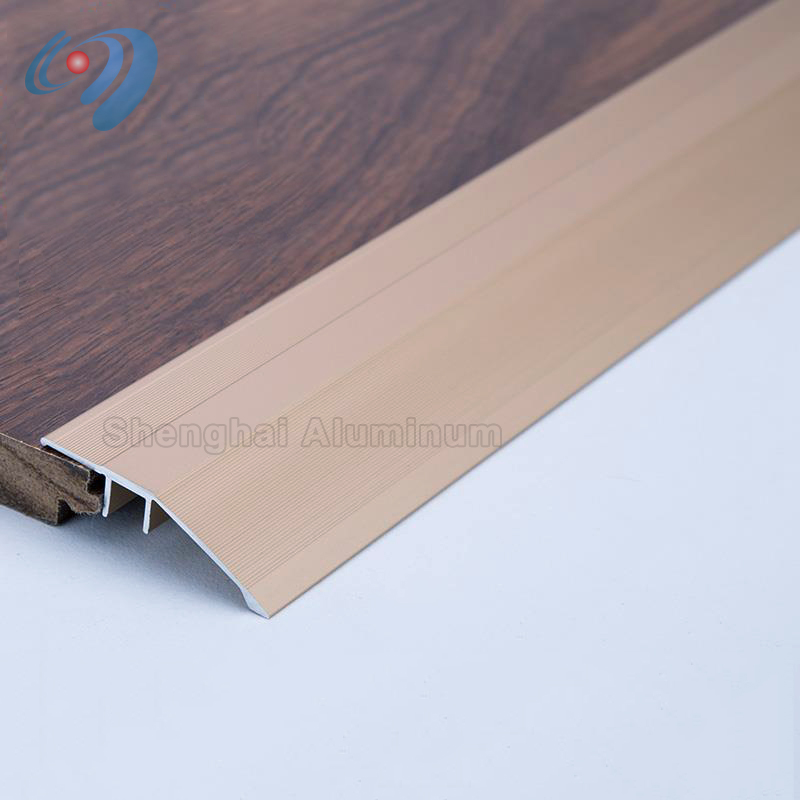
Aluminum tile trim, also known as aluminum edge trim or aluminum tile edging, is a type of finishing profile used in tiling installations. It serves both functional and aesthetic purposes, providing protection to the exposed edges of tiles and creating a clean, finished look to the tiled surface.

Here are some key features and uses of aluminum edge trim for tile:

Material: Aluminum tile trims are typically made from extruded or anodized aluminum, which makes them lightweight, durable, and resistant to corrosion.
Edge protection: The primary purpose of aluminum tile trim is to protect the exposed edges of tiles from chipping, cracking, and other damage, particularly in high-traffic areas like floors and walls.
Aesthetic appeal: Besides their protective function, tile trims add a decorative element to the tile installation, providing a neat and professional finish to the edges.
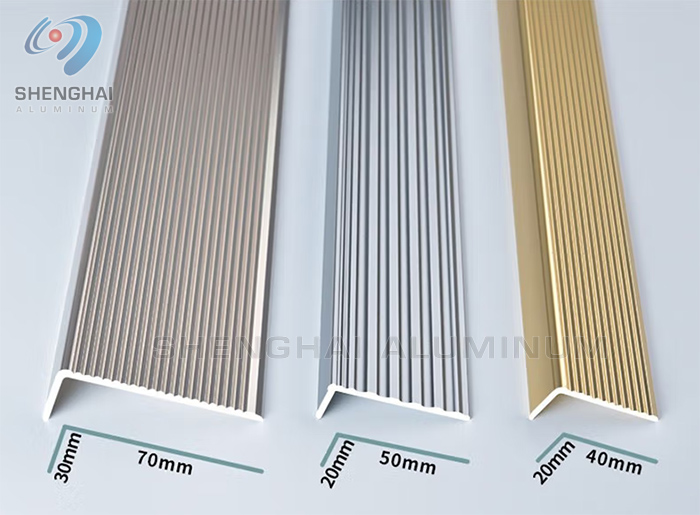
Types: Aluminum tile trim strips come in various profiles, such as straight edge trims, L-shaped trims, round edge trims, and more. These profiles cater to different tile thicknesses and installation requirements.
Installation: Aluminum tile trims are usually installed during or after the tile installation. They can be embedded in the mortar before tile installation or surface-mounted after the tiles have been set.
Color options: Aluminum tile trims are available in different colors, allowing you to match or contrast them with the tile or grout color to achieve the desired design effect.
Applications: Aluminum tile trims are commonly used in bathrooms, kitchens, commercial spaces, and any area where tiles are installed to provide a clean and professional finish.

Thickness of Aluminum tile trim

The thickness of aluminum tile trim can vary depending on the manufacturer and the specific product. Generally, aluminum tile trims are available in various thicknesses to accommodate different tile sizes and installation needs.

Common thicknesses for aluminum tile trim typically range from 1.5mm to 3mm (0.06 inches to 0.12 inches). The thicker the trim, the more durable and sturdy it tends to be, providing better protection for the tile edges.

When purchasing aluminum tile trim, make sure to check the product specifications or consult with the supplier to ensure you get the right thickness for your specific tiling project.

How To Choose Aluminum Profile

Aluminum profiles are widely used; aluminum profile products can be seen everywhere. Shenghai Aluminum listed some methods to choose aluminum profiles as an aluminum profile manufacturer.

  1. Profile oxide film:
    For qualified aluminum alloys, the thickness of the oxide film should reach 10 microns. If you don’t know how to measure, you can lightly scratch the surface of the profile when purchasing to see if the oxide film on the surface can be wiped off. If it is not easy to wipe off, then the quality of this aluminum alloy window is qualified.
  2. Chromaticity of the material:
    The color of the same aluminum profile should be relatively consistent. If the color difference is obvious, it is not suitable for purchase. If the surface of the aluminum profile is dark, it should be recycled aluminum or scrap aluminum forged.
  3. Strength:
    Generally, when purchasing profiles, you can moderately bend the profiles with your hands. If you can bend the profiles without effort, then it can be determined that the strength of the aluminum profiles is not up to standard. But it does not mean that the harder the aluminum profile is, the better it is. Aluminum itself has a certain degree of flexibility. It is not a hard material, so you should choose it according to your own needs.
  4. Gloss and flatness, if there are cracks, burrs, peeling, etc., do not choose apparent defects. Generally, this profile is also secondary processed by recycled aluminum and waste aluminum, and cracking and oxidation will easily occur in the later stage.
  5. Thickness:
    Generally speaking, the commonly used standard profiles will have a corresponding thickness. If the thickness does not meet the standard, we should consider whether it is a quality problem.
  6. Processing:
    Good aluminum alloys are finely processed and have good sealing performance. In contrast, poor-quality aluminum alloys cut corners and have poor sealing performance.

Aluminum has been widely used in various fields such as aerospace, navigation, aviation, automobiles, transportation, bridges, construction, electronics, energy and power, metallurgy and chemical industry, agricultural drainage and irrigation, machinery manufacturing, packaging and anticorrosion, electrical appliances, furniture, and daily use. Applications.

Shenghai Aluminum is mainly made of 6 series 6061 and 6063 aluminum alloys. 6061 and 6063 aluminum alloys are commonly used high-strength aluminum alloys, and the main components include aluminum, magnesium, silicon and copper. It has excellent corrosion resistance, machinability, weldability and mechanical properties. It is widely used in aerospace, automobiles, bicycles, ships, construction, electronic equipment and other fields. If you need aluminum profiles, you can contact our professional sales team.